 Mon-Sat 9:00 AM - 6:00 PM
  Mon-Sat 9:00 AM - 6:00 PM


 Send Inquiry
Search Products
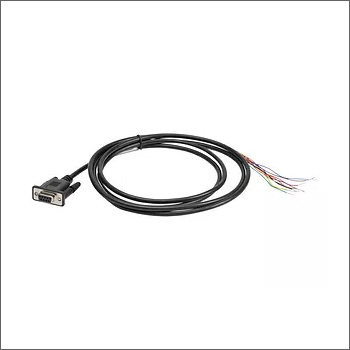
Control Signal & Instrumentation Cable
10-500 INR/Meter
Product Details:
- Operating Temperature -20°C to +70°C
- Usage & Applications Signal transmission, Industrial automation, Data communication
- Insulation PVC/XLPE
- Install Type Indoor/Outdoor, Fixed installation
- Cable Type Instrumentation/Control Cable
- Armored Material Galvanized Steel (optional)
- Diameter 6 mm - 30 mm (depends on configuration)
- Click to View more
X
Control Signal & Instrumentation Cable Price And Quantity
- 1000 , , Meter
- 10-500 INR/Meter
Control Signal & Instrumentation Cable Product Specifications
- Copper, PVC, XLPE, Tinned Copper, Steel (optional)
- 2 to 24 cores
- 2.0 kV
- >15 N/mm2
- 0.75 sq.mm - 2.5 sq.mm
- 100 Ohms Nominal
- Annealed Tinned Copper
- PVC, XLPE
- 100 m x 10 mm x 10 mm (standard roll)
- Stranded
- Varies by core and length; approx. 10 kg per 100m roll
- No locking, cable only
- Black (standard)
- High flexibility, Low signal loss, Flame retardant, Accurate signal transmission
- Single, Pair, Triple or Multi-core
- PVC
- Round
- Copper
- -20°C to +70°C
- Instrumentation, Process control, Data acquisition
- Signal transmission, Industrial automation, Data communication
- PVC/XLPE
- 100 meter standard roll, custom lengths available
- 300/500V
- -20°C to +70°C
- Black, Transparent upon request
- Control Signal & Instrumentation Cable
- 6 mm - 30 mm (depends on configuration)
- Instrumentation/Control Cable
- -30°C to +80°C
- Galvanized Steel (optional)
- Black
- Tinned Copper Braid
- Indoor/Outdoor, Fixed installation
- Rolls / Drums
- Complies with IEC 60332-1
- 250 pF/m (approx.)
- Low
- Smooth
- 1.8 mm minimum
- >85%
- Yes (jacket UV resistant grade available)
- Class 5 (as per IEC 60228)
Control Signal & Instrumentation Cable Trade Information
- 200 , , Meter Per Day
- 4-6 Week
Product Description
We have carved a niche in dealing a comprehensive range of Control Signal & Instrumentation Cable. It is utilized in process plants to connect instrument for communicating with each other. This cable is suitable for purpose of Instrumentation. It is a cable that can convey a low energy electrical signals while using for monitoring purpose. Control Signal & Instrumentation Cable is efficient to control in manufacturing and processing applications. It is responsible for connecting moving parts and control system effectively.
Designed for Precision and Safety
This instrumentation cable stands out due to its high flexibility, flame-retardant sheath, and UV-resistant jacket. Complying with key international safety standards, its optimized for environments that demand reliable signal transmission and robust protection against fire and external influences. The smooth surface finish and sturdy construction ensure it is well-suited for long-lasting performance.
Superior Shielding and Signal Transmission
With a tinned copper braid providing over 85% screen coverage and nominal 100 Ohm impedance, this cable minimizes signal loss and electromagnetic interference. Its low capacitance makes it an ideal choice for accurate, low-distortion data and signal communication across a range of automation and process control systems.
Versatile Applications and Installation
Available in a variety of core configurations, sizes, and sheath options, this cable is fit for both indoor and outdoor fixed installations. Its wide temperature tolerance and weather-resistant features support use in industrial plants, automation systems, and data transmission networks, ensuring stable operation in diverse environments.
FAQs of Control Signal & Instrumentation Cable:
Q: How does the cable ensure fire resistance and safety in industrial environments?
A: The cable complies with IEC 60332-1, a fire resistance standard that guarantees flame retardant properties. This makes it suitable for applications where fire safety is critical by limiting the spread of flames along its length.Q: What are the main benefits of using this cable in instrumentation and control applications?
A: Key benefits include high flexibility (Class 5 conductors), low signal loss due to superior shielding, accurate signal transmission with low capacitance, and resistance to UV exposure and harsh environments, ensuring stable operation and minimal maintenance.Q: When should I choose the optional galvanized steel armoring for this cable?
A: You should choose galvanized steel armoring when the cable is exposed to mechanical stress or potential physical damage. The armoring provides extra protection in environments where cables might be subjected to crushing or impact.Q: Where can these cables be installed and what is their typical usage?
A: These cables are suitable for both indoor and outdoor fixed installations, including industrial automation systems, process control networks, and data acquisition setups. Their UV resistance and robust sheath make them ideal for harsh environments.Q: What installation configurations and lengths are available for this cable?
A: Standard rolls come in 100 meters, but custom lengths are available upon request. The cable is offered in configurations ranging from single core to 24 cores, including pair, triple, or multi-core options, to suit diverse instrumentation layouts.Q: How does the cable maintain low signal loss and accurate transmission?
A: Low signal loss is achieved through an approximate capacitance of 250 pF/m and shield coverage greater than 85%. This design minimizes interference and maintains signal integrity over long distances, which is crucial for precise data communication in industrial settings.Tell us about your requirement

Price:
Quantity
Select Unit
- 50
- 100
- 200
- 250
- 500
- 1000+
Additional detail
Mobile number
Email

Other Products in 'Industrial Cable' category


|


Contact Us
PARAS WIRES (P) LTD
GST : 29AAACP8228L1ZY
GST : 29AAACP8228L1ZY

- 17 Q, Phase-2, Sector - 01, KIADB Industrial Area Bidadi, Ramanagar Dist., Bengaluru - 562109, Karnataka, India
- Phone : 08045814468

- Mr Rupin Surana (Managing Director)
- Mobile : 08045814468
- info@paraswires.net

 Send Inquiry
 Send SMS
PARAS WIRES (P) LTD.
All Rights Reserved.(Terms of Use)
Developed and Managed by Infocom Network Private Limited.
Developed and Managed by Infocom Network Private Limited.

